
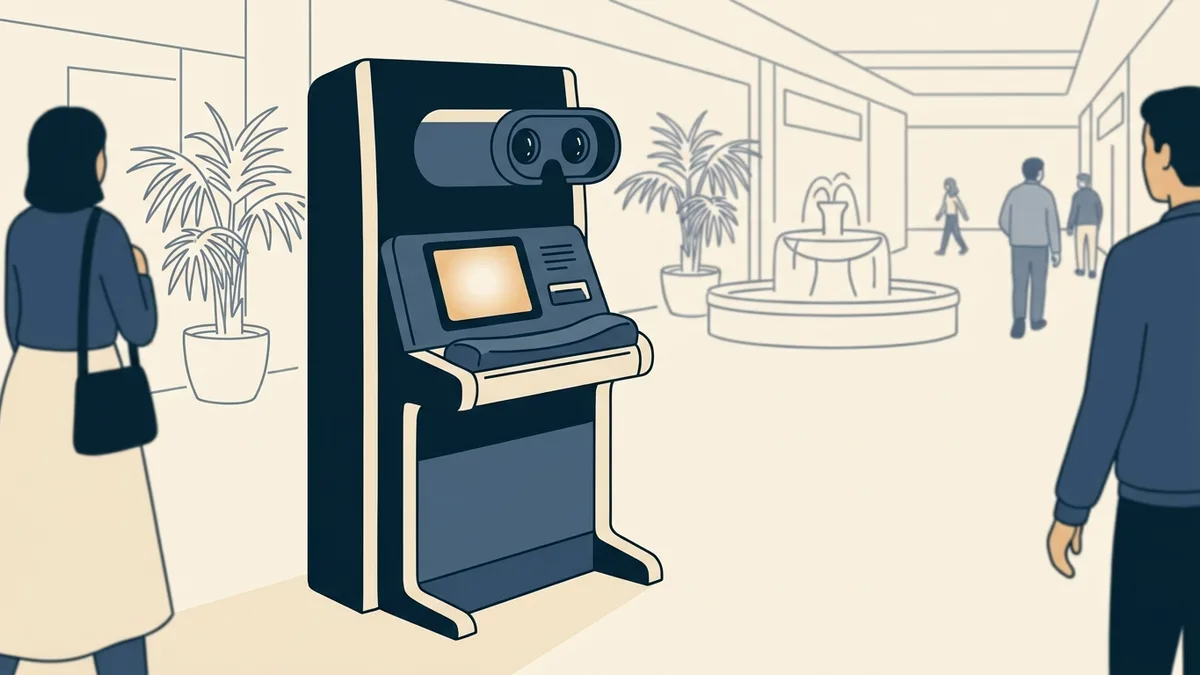
South Carolina bars any glasses or contact lens prescription based solely on refractive error or generated by a kiosk, and defines a kiosk to include phone and internet tools used remotely (S.C. Code 40-24-20(C)). Violations are misconduct for the optometrist or physician who issues it. Nebraska, Maine and New Hampshire regulate kiosks and online tests differently.
Online refraction and self-service vision kiosks raise a question every tele-optometry company has to answer state by state: can a prescription for glasses or contacts come from the device alone? South Carolina answered it in 2016, in a short chapter of its Code of Laws, and its answer is no.
What does the South Carolina law say?
Chapter 24 of Title 40, added by 2016 Act No. 173 and effective May 19, 2016, governs prescriptions for spectacles and contact lenses. The core sentence is S.C. Code § 40-24-20(C):
"A prescription for spectacles or contact lenses may not be based solely on the refractive eye error of the human eye or be generated by a kiosk."
The definitions in § 40-24-10 give that sentence its reach:
- Kiosk means "automated equipment or an automated application, which is designed to be used on a phone, computer, or Internet-based device that can be used in person or remotely to provide refractive data or information." A phone app is a kiosk.
- Eye examination means an assessment of all or part of the ocular health profile, which must include a complete written or electronic medical history and an assessment of the patient's visual status.
- Visual status may not be based solely on objective refractive data from an automated testing device, including an autorefractor, to establish a refractive error.
- Patient means a person who submits to an eye examination in South Carolina.
What else does § 40-24-20 require?
- No one in South Carolina may dispense spectacles or contact lenses without a valid prescription from a provider.
- A valid prescription must carry an expiration date one year from the date of the exam, or a statement of why a shorter time is medically appropriate.
- The prescription must take into account the medical findings and the refractive error found in the exam.
- Once a provider decides a patient is a suitable candidate for glasses or contacts, the provider may not then refuse to issue the prescription.
Who does it bind, and what is the penalty?
A "provider" is anyone licensed by the South Carolina Board of Examiners in Optometry or the South Carolina Board of Medical Examiners. A violation is misconduct under the optometry and medical practice acts (§§ 40-37-110 and 40-47-110), and the provider is subject to the penalties in those chapters. In other words, the risk falls on the licensee who signs the prescription, which is why an optometrist reviewing remote refraction data for South Carolina patients needs to know the rule even if the company built the tool.
Can an optometrist still treat South Carolina patients remotely?
The statute does not ban telehealth. It bans prescriptions that rest solely on refractive data or come from a kiosk, and it defines the eye exam to include a medical history and an assessment of visual status. A remote model that meets that definition, with a South Carolina license, is a different question from a kiosk that outputs a prescription. Any service planning to prescribe for South Carolina patients should have counsel read the model against the statute before launch.
The license comes first. South Carolina licenses out-of-state optometrists by endorsement if they currently practice at the therapeutic level, are authorized to treat glaucoma and have practiced therapeutically in the preceding 12 months or 24 of the last 36. Applicants pass the South Carolina Optometric Jurisprudence Exam (70 passes) after approval. The fee was $525 as of October 2026, renewing at $230 every two years with 40 CE hours. See South Carolina licensing and the glaucoma requirement.
How do other states handle kiosks and online tests?
- Nebraska passed its Consumer Protection in Eye Care Act the same year (2016, LB235). Its definition of a kiosk also covers phone and internet applications used remotely. A kiosk may operate only if it is FDA registered or approved for the use, meets ADA and HIPAA requirements, uses a procedure with a CPT code, has its data read by a provider when clinically appropriate, and carries liability insurance; for an app, the reading provider's name and state license number must appear on the prescription (Neb. Rev. Stat. 69-311).
- Maine requires every kiosk, including its use by any person, to meet Maine's minimum standards for an eye examination, and the board may fine up to $10,000 per violation (32 M.R.S. § 19311, added in 2023).
- New Hampshire lets a provider issue a glasses or contact lens prescription after a telemedicine exam only if the provider is licensed in New Hampshire, meets the in-person standard of care and does not determine the prescription solely by an online questionnaire (RSA 327:25-b).
- Alaska says a refractive prescription may not rest solely on a telehealth exam, and Oregon excludes automated programs or websites that diagnose or treat refractive conditions from its definition of telehealth.
The patterns differ. South Carolina prohibits a category outright. Nebraska permits kiosks under conditions. Maine ties them to its exam standards. New Hampshire focuses on licensure and questionnaires. A tele-optometry service needs a state-by-state map, not a single policy. Our tele-optometry licensing guide has the license side.
Do the FTC rules change any of this?
The FTC's Contact Lens Rule preempts state laws that set a contact lens prescription expiration of less than one year, restrict prescription release or require active verification (16 CFR 315.11). South Carolina's one-year expiration is consistent with that floor, and the federal rules on releasing prescriptions do not address how the exam is performed. See the Contact Lens Rule and state law.
Where do we fit?
We prepare license applications; we do not give legal opinions on service models. For a tele-optometry company, the Tele-Optometry Package (from $1,899 per optometrist for three licenses) includes checking each state's remote-exam rules against the states you pick, and South Carolina endorsement files run through the Optometry License, One State service ($699). See pricing and the South Carolina license page.
Common questions
- Is an online vision test a kiosk under South Carolina law?
- Yes, if it provides refractive data. South Carolina defines a kiosk as automated equipment or an application on a phone, computer or internet device used in person or remotely to provide refractive data or information.
- Who is penalized under South Carolina's kiosk rule?
- The provider, meaning an optometrist or physician licensed in South Carolina. A violation is misconduct under the optometry or medical practice act.
- Does South Carolina ban telehealth eye care?
- No. It bans prescriptions based solely on refractive data or generated by a kiosk, and requires an eye exam that includes a medical history and an assessment of visual status.
- How long must a South Carolina glasses or contact lens prescription last?
- One year from the exam, unless the provider states why a shorter period is medically appropriate.
Need Help with Your Application?
We prepare the optometry licensing process end-to-end — eligibility screening, documents, board follow-ups, and tracking.